Not all people feel comfortable talking in a counseling room, some find it easier to share whilst being outside and connecting with nature, surrounding colours and fresh air.
Walking and talking therapy is when you and I walk together and connect with nature. Whilst walking together at your pace, you are gently encouraged to share your struggles and life situations.
“As someone who has tried CBT and talking therapy but felt awkward being
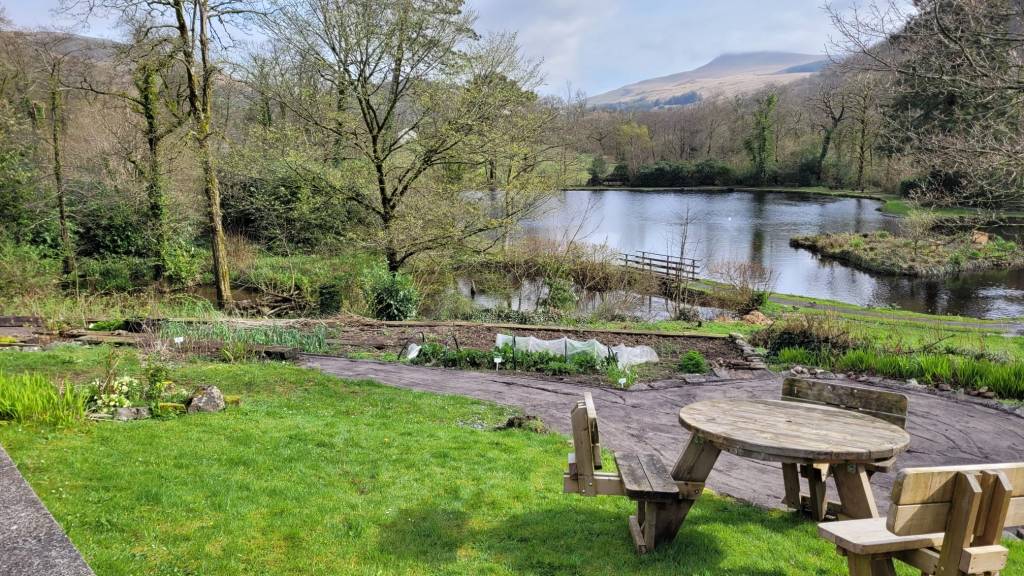
face to face with a stranger in a therapy room, seeing Annabelle is a different experience. Annabelle puts me at ease and having the fresh air, plants, birds, mindful tasks like planting seeds, weeding, touching and smelling the herbs, takes away all my self-consciousness and allows me to think, feel and speak freely. It has given me the courage and clarity to make really
significant changes in my life, and ongoing support to navigate any difficulties and maintain the positives.“
Your first session will take place online or in a counselling room where we will discuss issues of confidentiality and how we will negotiate encountering other people when out walking. It is important to remember that people walking and talking side by side is a very common sight and therefore a client and therapist walking side by side doesn’t look any different.


Why choose Walk and Talk Therapy?
- During a walk and talk therapy session, you lead the pace just like in a traditional counselling session. Yet the dynamic is fairly different. Client and counsellor are on the same footing, literally. They walk together side by side, for some people this can feel more comfortable. It can be an introduction to counselling, and can lead to a more formal form of counselling.
- Walk and Talk Therapy takes place outside as being close to nature can be meditative and grounding. Grounding techniques are taught using the five senses and can help people who have experienced distress and trauma.
- Walk and Talk Therapy is an excellent choice for clients experiencing a range of difficulties, some of those may include struggling with loss and grief, experiencing anxiety and intense worry, a life change, fear and panic, loneliness and much more.
- Walk and Talk sessions can be extremely beneficial for those who struggle with eye contact and being within a four wall indoor space with others.
- Walk and Talk Therapy gets you outside and moving.
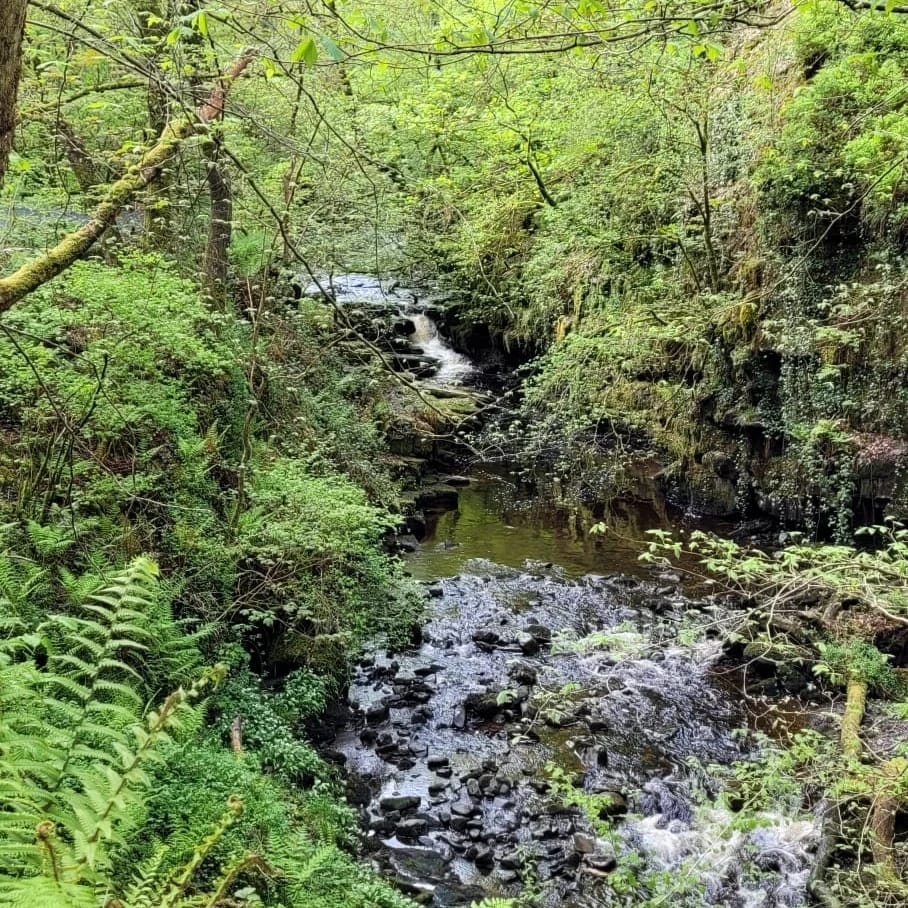
- You do not need to be “super fit” to engage in walk and talk therapy, this is not a personal training session. The therapy will be at your own pace. Some people choose for sessions to involve sitting by a river and focusing on the beautiful surroundings, whereas others may choose a faster pace, where they feel the need to walk.
- Research studies have shown that physical activity can enhance the mental and physical health of clients. Physical activity has also been shown to reduce levels of depression and anxiety and can help to prevent depressive symptoms.
- Walking and talking can help to release tensions and stimulate new thoughts and ideas.
- Even if you’re confident talking face to face to a counsellor, you might become apprehensive when confronting particular issues. The combination of walking and fresh air allows for easier engagement and process, and you can feel more grounded as you’re moving forward while walking.
- Walk and talk therapy is also particularly helpful for people feeling they are trapped in a life or roles that don’t fit for them anymore. Being outdoors and talking about their issues enhances the renewal of a sense of freedom. Walking helps increase the blood flow to the brain, and new ideas to tackle our issues are more likely to come up.
 Annabelle Griffiths Counselling